Pick a few meals
Choose three or four meals you already enjoy. Repeating familiar dishes keeps planning quick and friendly.
A short, plain-language guide to general eating basics and a calm way to plan a simple week of meals at home.
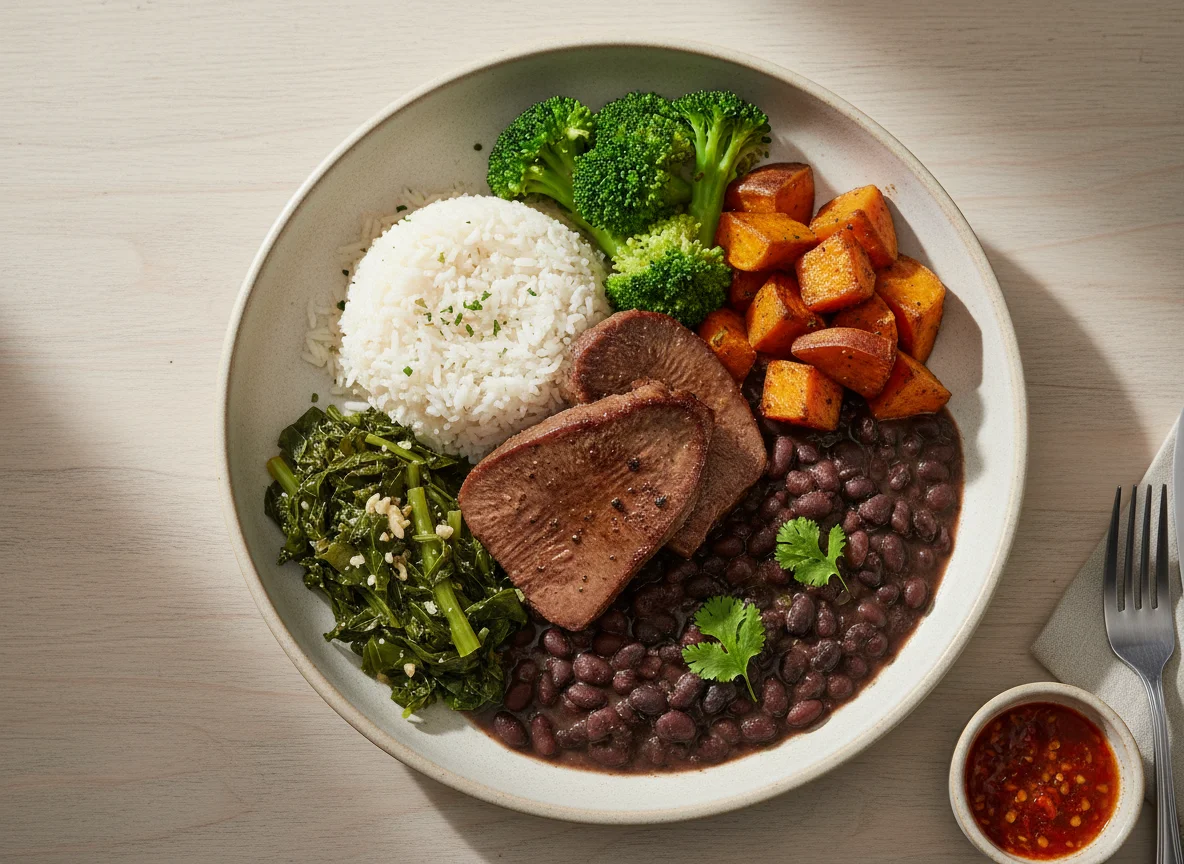
A handy way to picture a meal is to think of a plate divided into a few easy parts. Many general guides suggest filling about half with vegetables and fruit, a quarter with whole grains, and a quarter with a protein food you enjoy.
A short plan can make weekday cooking feel lighter. Here is one simple way to sketch a week without any pressure to be perfect.
Choose three or four meals you already enjoy. Repeating familiar dishes keeps planning quick and friendly.
Note the ingredients you need and check what is already in the cupboard before you head to the shop.
Wash and chop a few vegetables in advance so a simple meal comes together easily on a busy evening.
This is a general example only. Adjust it freely to match your taste, budget and what is in season near you.
| Group | Everyday examples |
|---|---|
| Vegetables | Carrots, spinach, tomatoes, onions, peppers |
| Fruit | Apples, bananas, oranges, frozen berries |
| Whole grains | Oats, brown rice, wholegrain pasta, wholegrain bread |
| Protein foods | Beans, lentils, eggs, fish, poultry |
| Extras | Olive oil, herbs, plain yoghurt, nuts |
Explore gentle everyday habits that pair nicely with simple meal planning.
Disclaimer: All materials and practices presented are for educational and informational purposes only and are intended to support general well-being. They do not constitute medical diagnosis, treatment, or advice. Before applying any practice, especially if you have chronic conditions, consult a qualified healthcare professional.